Every industry uses IT differently. ITVerse puts together IT solutions by industry, from smart classroom solutions for schools and retail POS and barcode setups to complete office IT setups, combining the hardware, installation and support each of 12 sectors needs.
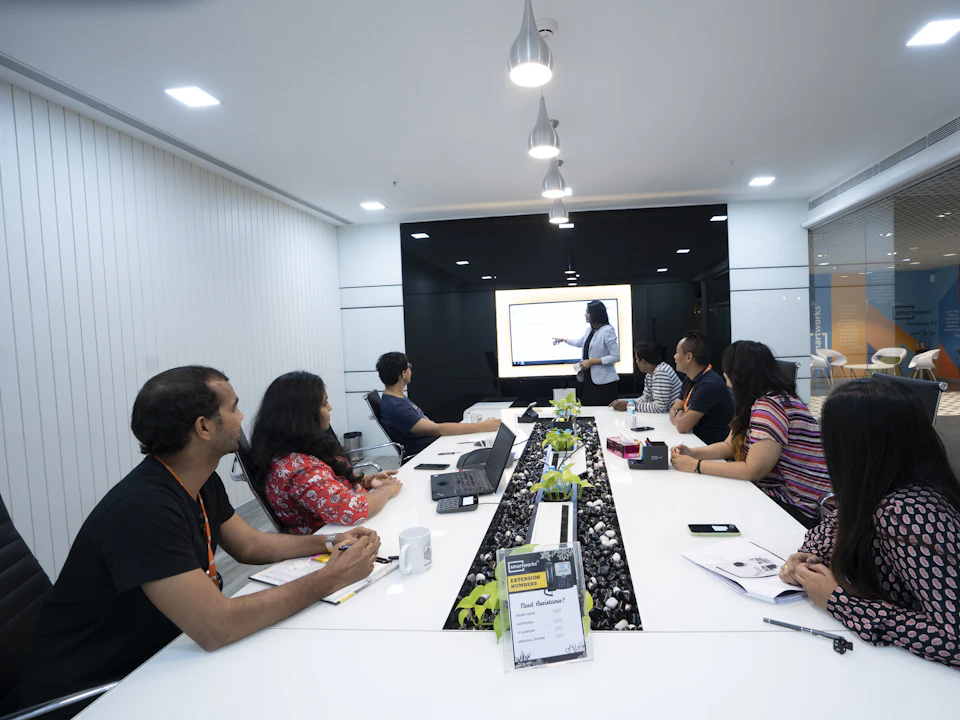
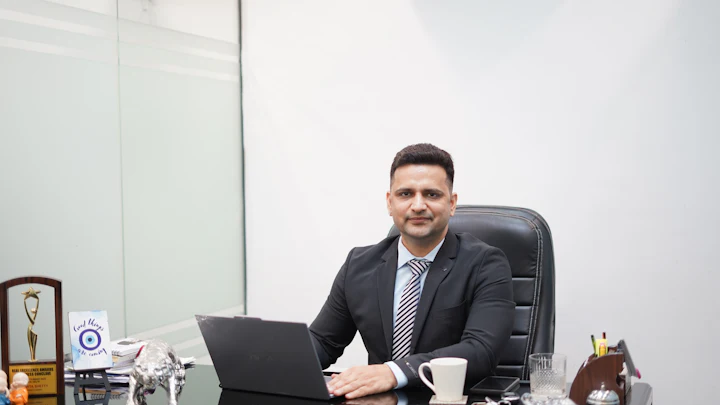
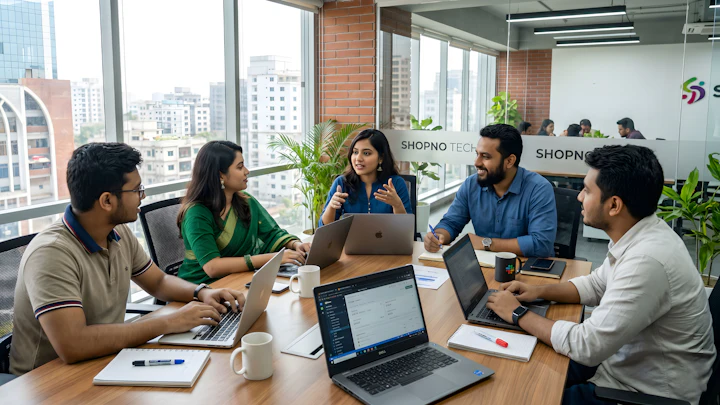
A corporate office needs IT that staff stop noticing: Wi-Fi that works on every floor, meeting rooms where calls start on time, attendance that records itself and a clear record of which laptop is with which employee. An office setup can combine structured cabling and Wi-Fi, smart conference rooms with video conferencing, biometric attendance, fire and intrusion systems and an AMC for ongoing support.
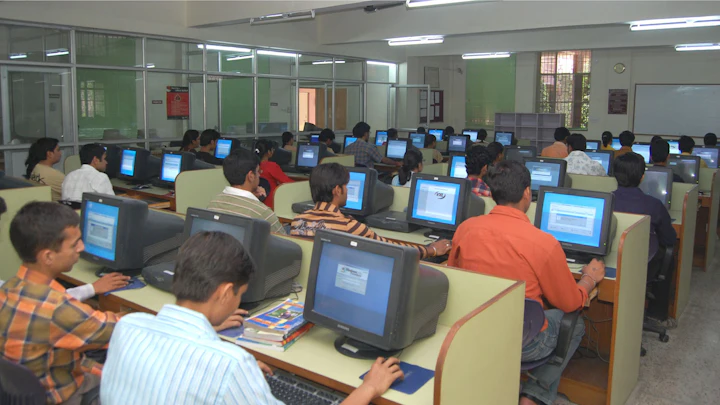
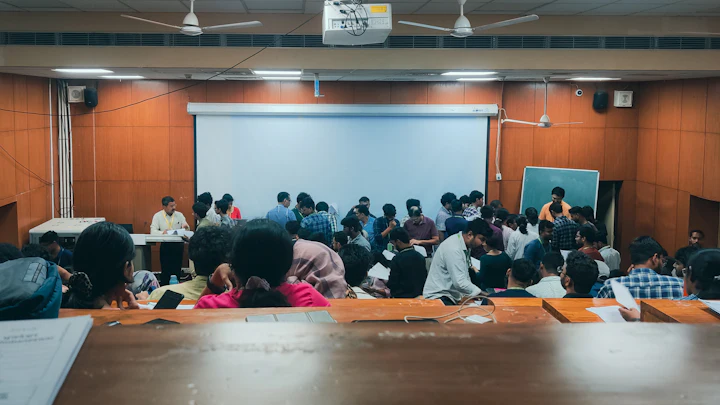
Schools and colleges need technology that teachers can use without a technician in the room. A smart classroom can pair an interactive flat panel with classroom audio and a reliable connection, while biometric attendance can feed student and staff records into your LMS. Campus-wide networking and Wi-Fi, AV streaming between rooms and real-time classroom monitoring complete the setup.
Computer labs and an AMC keep everyday teaching running. To scope a school project, share the number of classrooms and labs, students and staff, your existing equipment and the academic-year timeline you are working to.
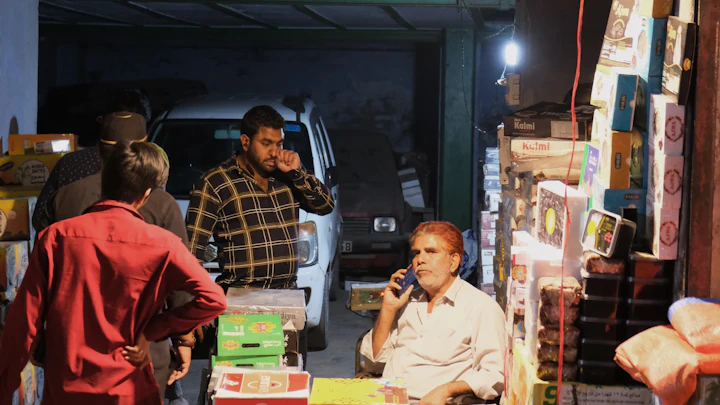
In retail, the billing counter and the stockroom have to agree. A retail setup can include POS terminals, barcode scanners and receipt printers, mobile billing terminals for busy periods and stock dashboards that update as items are sold. Through retail automation setup and inventory management, billing is connected with stock, and a cloud-linked CRM keeps customer and sales data in one place.
CCTV can cover the shop floor and stockroom. To scope a store or chain, send the number of stores and counters, your billing software and the approximate number of products (SKUs).
Warehouses depend on knowing where stock is and moving it quickly. A warehouse setup can include handheld scanning terminals and label printers, RFID where items need to be read without line of sight, and barcode inventory management with stock movement logs and reorder levels. Wi-Fi coverage across racks and loading bays keeps scanners connected.
An NVR and CCTV layout can cover entry, dispatch and storage areas, and integration with delivery apps can be discussed as part of the scope. To plan a warehouse, share the floor area, rack layout, number of scanners or users and the software you use for inventory or dispatch.
Clinics and hospitals need dependable IT at reception, in consulting rooms and in restricted areas such as pharmacies and records rooms. A healthcare setup can include access-restricted biometric systems, fire and intrusion alarms, IP camera setups for entrances and corridors, and patient check-in terminals at reception.
Desktops, printers and network cabling support daily work, and on-site engineers can be scheduled for faults that cannot wait. To scope a facility, share the number of floors, departments and users, the areas that need restricted access and the software your front desk uses.
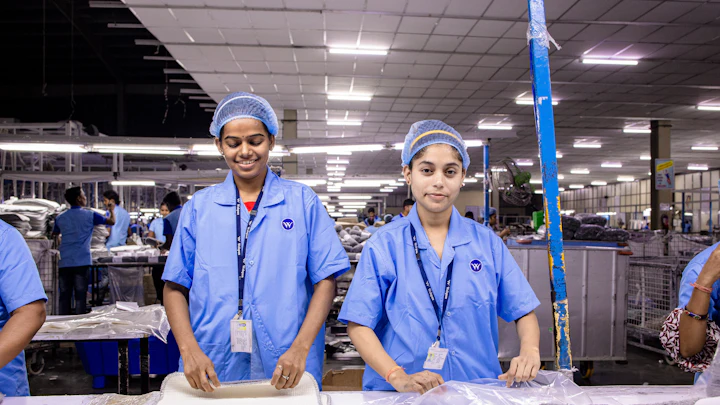
Factories need IT that copes with shifts, large floor areas, dust and heat. A manufacturing setup can include shop-floor monitoring screens, smart alerts, biometric tracking for shift workers and surveillance integrated across gates, stores and production lines. IoT sensors and automation units can take over routine switching and alerts.
A server room or rack with UPS backup protects production systems, and test and measurement tools support maintenance teams. To plan a site, share the plant layout, number of shifts and workers, the areas to monitor and the systems you already run.
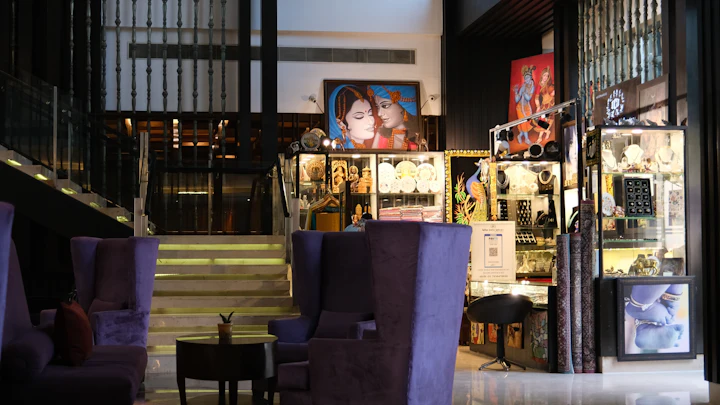
Hotels and serviced apartments combine guest-facing technology with back-of-house systems. A hospitality setup can include guest access control and automated door locking, IPTV screens and room AV, and biometric-driven check-ins. Guest and staff Wi-Fi can run on separate segments of a properly planned network, and CCTV can cover entrances, lobbies and corridors.
Meeting and banquet rooms can be equipped through our smart office setup service. To scope a property, share the number of rooms and floors, the common areas, any property management software you use and your renovation or opening timeline.
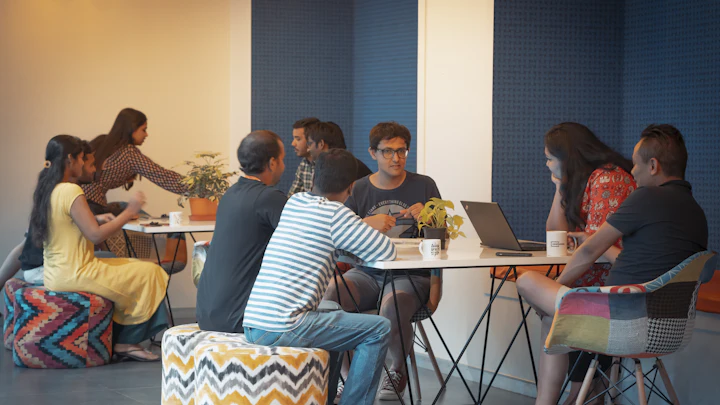
A new business needs to look professional and stay organised without a large IT budget. For startups and freelancers we can set up hosting and business email on your own domain, build an affordable CRM portal with WhatsApp integration for customer conversations, and create a business website. Client communication dashboards help small teams keep track of enquiries and projects.
When you hire, we can supply laptops and basic networking for a first office. To get started, tell us your domain (if you have one), your team size, the tools you use today and your budget range.
Banks, NBFCs, insurers and financial advisers handle sensitive customer data, so security comes first in their IT setup. A BFSI setup can include endpoint protection on every device, biometric ID logging for staff access, multi-layered firewalling, controlled remote access and data encryption workflows.
Antivirus and cloud security subscriptions keep protection current, and an AMC can cover branch devices. Share any regulatory requirements at the start so they can be reflected in the scope, along with the number of users and locations, the applications in use and your current security tools.
Training institutes and EdTech providers need classrooms that work for both in-person and online learners. A setup can include interactive whiteboards, attendance logs and teacher tracking through biometric terminals, panels that sync with your LMS, and cloud-based feedback portals built through CRM development.
Conferencing audio and cameras help hybrid sessions, and web development covers course and enquiry pages. To scope a centre, share the number of classrooms, batch sizes, your LMS and whether sessions are recorded or streamed.
IT service companies run on tickets, contracts and field visits. We build CRM dashboards for field teams, client ticketing, AMC tracking and portal-based billing, so engineers, coordinators and accounts work from the same records. Biometric logging can record engineer attendance, and remote support tools let technicians help clients without travelling.
Related products include ticketing and AMC portals and remote support software. To scope a system, describe how tickets and contracts are handled today, the number of engineers and clients, and the reports you need.
Government offices and public sector units need installations that follow safety rules and keep data under local control. A setup can include fire-safe installation, biometric access at endpoints, local backup on servers and NAS storage, VPN routing between offices over a secured network, and tracking of security compliance tasks.
Server rooms with UPS backup protect critical systems. Share the tender or requirement document at the start, including procurement terms and compliance requirements, along with the sites, number of users and timelines, so the quotation can address them.